
Free Kerala Christian Malankara Orthodox matrimony
For Malankara Orthodox Syrian Church families, in Kerala and around the world.
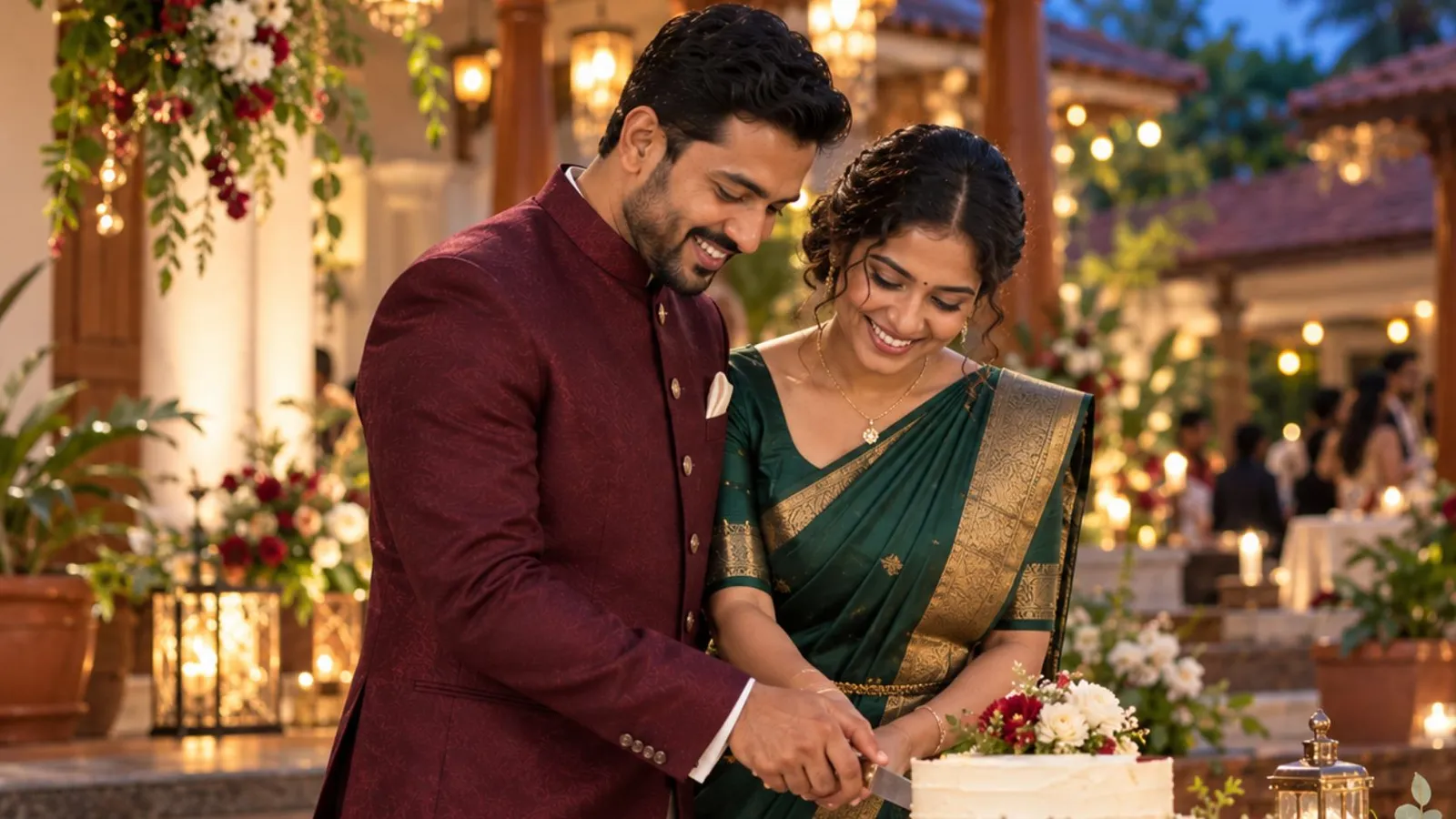
For Malankara Orthodox families
Families of the Malankara Orthodox Syrian Church can look for a partner from their own church, or from the wider Orthodox family, and say which parish and diocese they belong to.
How matching works
When you create a profile, you choose your church and say how much a partner’s church matters to you: the same church, a related tradition, or open to any Christian partner. Recommendations respect that choice, and we explain why we suggest each person.
Your family, your pace
A parent or relative can create the profile, and it says so. You can claim it and decide what your family can do. When you connect with someone, you can include family members in your journey together, if you both agree.
Join free · How it works · FAQ
Kerala Latin Catholic Matrimony – Faith, Heritage & Marriage
Along Kerala’s coast, some Catholic churches have stood at the center of community life for centuries. From Kollam and Alappuzha to Kochi and Thiruvananthapuram, parish churches have witnessed generations of baptisms, weddings, festivals, and family celebrations.
For many Latin Catholic families, the parish is closely connected to their personal history. It may be the church where their parents were married, where they attended catechism classes, or where relatives continue to gather for important occasions.
Kerala’s Latin Catholics share the Catholic faith with Syro-Malabar and Syro-Malankara Christians, but they have a different liturgical heritage and historical development.
Understanding these traditions can be meaningful when searching for a marriage partner, particularly when two people come from different Catholic communities or have grown up in different parts of the world.
The Early History of Latin Catholicism in Kerala
Latin Catholic Christianity in Kerala has a history extending beyond the arrival of Portuguese missionaries in the fifteenth century.
An important early milestone occurred in 1329, when Pope John XXII established the Diocese of Quilon, now Kollam, and appointed the Dominican missionary Jordanus Catalani as its bishop. This was one of the earliest formal Latin ecclesiastical jurisdictions established in India.
The Malabar Coast had already been home to Christian communities for many centuries, particularly the Saint Thomas Christians, whose religious traditions developed through connections with Eastern Christianity.
The establishment of the Diocese of Quilon represented a different development: the growth of Latin Catholic missionary activity and ecclesiastical organization along the Indian coast.
What Makes Latin Catholic Worship Distinctive?
The Latin Catholic Church follows the Roman Rite, the principal liturgical tradition of the Latin Church within the worldwide Catholic communion.
The celebration of Holy Mass includes Scripture readings, prayers, the Eucharistic liturgy, and the participation of the congregation.
In Kerala, Mass is commonly celebrated in Malayalam, while English and other languages are also used according to parish needs.
Latin Catholic worship differs in liturgical form from the East Syriac Holy Qurbana of the Syro-Malabar Church and the West Syriac Holy Qurbono of the Syro-Malankara Church.
However, all three churches share the Catholic faith and communion with the Pope.
For someone raised in a Latin Catholic parish, familiar elements of church life may include Sunday Mass, catechism classes, Marian devotions, parish feasts, the rosary, and celebrations of patron saints.
These practices may be important to individuals who hope to continue their religious traditions after marriage.
Marriage in the Latin Catholic Church
In Catholic teaching, marriage between two baptized persons is a sacrament.
The Church understands marriage as a lifelong covenant founded on the free consent of the couple, fidelity, and mutual responsibility.
In the Roman Rite, the marriage celebration includes the exchange of consent, prayers, and the nuptial blessing. The exchange of rings is also a familiar part of many Latin Catholic wedding ceremonies.
When both individuals are Catholic and the circumstances permit, marriage is commonly celebrated within Mass.
In other situations, the approved marriage rite may be celebrated outside Mass. The precise form of the ceremony depends on the couple’s circumstances and applicable church requirements.
For Latin Catholic couples, the wedding is not simply a family celebration. It is a public commitment made before God and the Church.
Latin Catholic and Syro-Malabar Marriage Matches
A Latin Catholic from Kochi may consider marriage with a Syro-Malabar Catholic from Thrissur or Kottayam.
Both belong to the Catholic Church, but they may have grown up attending different liturgical celebrations and observing different family customs. For example, one person may be accustomed to Roman Rite Mass, while the other has grown up participating in the East Syriac Holy Qurbana.
These differences do not prevent a couple from sharing a meaningful Catholic family life.
However, they may wish to discuss which parish they plan to attend, how they will maintain their respective traditions, and what church practices they hope to share with their children.
The canonical enrollment of the spouses and the applicable marriage procedures should be clarified with their parish authorities. The same principle applies when considering a partner from the Syro-Malankara Catholic Church.
Understanding each other’s religious background can help couples make informed decisions without assuming that one tradition is more important than another.
Latin Catholic Matrimony for Families Living Abroad
Kerala Latin Catholic families have established themselves across India and in countries such as the United States, Canada, the United Kingdom, Australia, and Gulf nations.
Some remain closely connected with their ancestral parishes in Kerala, while others participate primarily in local Catholic communities abroad.
For younger Catholics raised outside India, their experience of church and family life may differ from that of someone raised in a traditional Kerala parish.
A person may value their Latin Catholic heritage while having different expectations about career decisions, financial independence, relocation, and family responsibilities.
Finding a Latin Catholic Life Partner
For some Latin Catholic Christians, marrying someone from the same church tradition is an important preference.
Others may be open to a partner from the Syro-Malabar, Syro-Malankara, or another Christian community.
A shared church background can create familiarity, especially when two people have similar experiences of parish life and family traditions.
But belonging to the same denomination does not guarantee compatibility.
Prospective couples should also discuss their personal faith, communication styles, education, career plans, financial responsibilities, and expectations about married life.
A thoughtful matrimonial search should help people understand one another as individuals, not simply match them by denomination.
Frequently Asked Questions
What is Latin Catholic Matrimony?
Latin Catholic matrimony refers to matrimonial searches involving members of the Latin Catholic Church, which follows the Roman Rite. In Kerala, Latin Catholic communities have longstanding historical connections with coastal parishes and missionary traditions.
Are Latin Catholics and Syro-Malabar Catholics the same?
Both belong to the Catholic Church and are in communion with the Pope, but they follow different liturgical traditions. Latin Catholics follow the Roman Rite, while Syro-Malabar Catholics follow the East Syriac tradition.
When did Latin Catholic Christianity begin in Kerala?
Latin Catholic missionary activity existed in Kerala before the Portuguese period. The Diocese of Quilon was established in 1329. Portuguese missionary activity expanded considerably from the beginning of the sixteenth century.
Can a Latin Catholic marry a Syro-Malabar Catholic?
Yes. Both belong to the Catholic Church. Couples should consult their parish authorities about marriage preparation, applicable canonical procedures, and questions concerning church enrollment.
What are the main Latin Catholic dioceses in Kerala?
Kerala has several Latin Catholic dioceses, including the Archdioceses of Verapoly and Trivandrum and the Dioceses of Cochin, Quilon, Alleppey, and others.
Do Latin Catholic weddings include the minnu and manthrakodi?
These customs are particularly associated with Kerala’s Syrian Christian marriage traditions. Practices among Latin Catholic families vary, and they should not be assumed to be universal elements of the Roman Rite wedding ceremony.
Can Latin Catholics living abroad search for matrimonial matches in Kerala?
Yes. Individuals may consider potential partners in Kerala, elsewhere in India, or internationally, depending on their preferences and willingness to relocate.