
Free Kerala Christian Orthodox and Jacobite matrimony
For Malankara Orthodox, Jacobite and Knanaya Jacobite families, in Kerala and around the world.
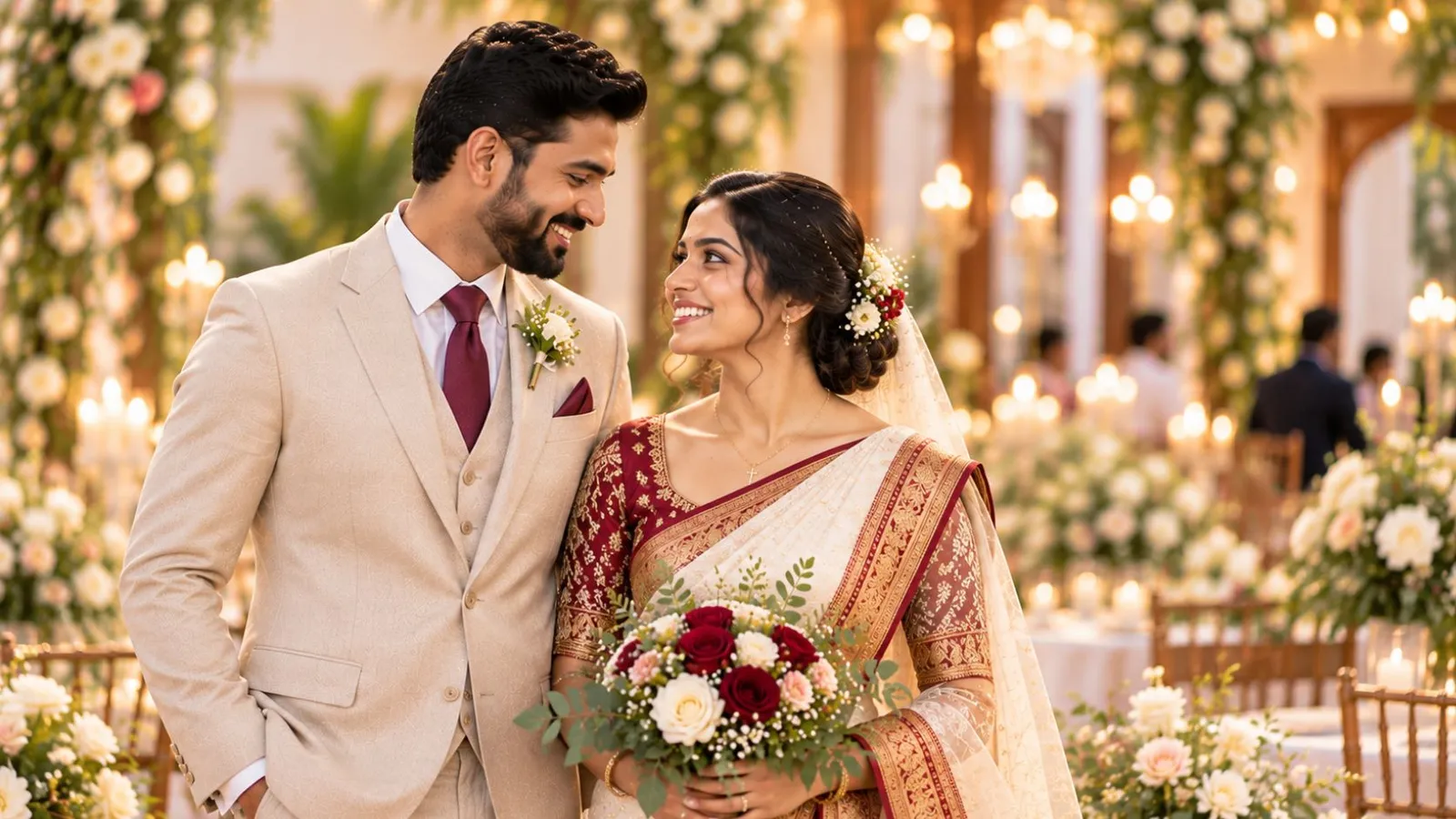
For Orthodox and Jacobite families
Godly Matrimony includes the Malankara Orthodox Syrian Church, the Jacobite Syrian Christian Church, Knanaya Jacobite and the Malabar Independent Syrian Church. You can look for a partner from your own church, or be open to the wider Orthodox family.
How matching works
When you create a profile, you choose your church and say how much a partner’s church matters to you: the same church, a related tradition, or open to any Christian partner. Recommendations respect that choice, and we explain why we suggest each person.
Your family, your pace
A parent or relative can create the profile, and it says so. You can claim it and decide what your family can do. When you connect with someone, you can include family members in your journey together, if you both agree.
Join free · How it works · FAQ
Kerala Orthodox & Jacobite Christian Matrimony
In many Kerala Syrian Christian families, the parish church is more than a place for Sunday worship. It is where generations have been baptized, married, and remembered in prayer. Family histories are often closely connected to particular parishes, church festivals, and traditions passed down through generations.
For members of the Malankara Orthodox Syrian Church and the Jacobite Syrian Christian Church, this heritage carries special meaning. Both communities trace their roots to the ancient Saint Thomas Christian tradition of Kerala and share much of their liturgical and spiritual inheritance.
Yet they are not the same church. Their distinct histories, leadership structures, and ecclesiastical affiliations are important to understand, particularly when considering marriage.
The Saint Thomas Christian Heritage of Kerala
According to longstanding Christian tradition, St. Thomas the Apostle brought Christianity to the Malabar Coast in AD 52. Although historians continue to examine the details of this tradition, the connection with St. Thomas remains central to the identity of Kerala’s ancient Christian communities.
Over the centuries, the Saint Thomas Christians developed their own religious and cultural traditions while maintaining connections with Christian communities beyond India.
The arrival of Portuguese missionaries in the late fifteenth century brought major changes. Tensions over church authority and religious practices intensified following the Synod of Diamper in 1599.
One of the most significant events in Malankara Christian history was the Coonan Cross Oath of 1653, when a section of the Saint Thomas Christian community publicly resisted Portuguese ecclesiastical control.
In the following centuries, relationships with the Syriac Orthodox Patriarchate of Antioch, internal reforms, and disagreements over church administration contributed to the development of several distinct Christian churches in Kerala.
Among them are today’s Malankara Orthodox Syrian Church and Jacobite Syrian Christian Church.
Malankara Orthodox Syrian Church
The Malankara Orthodox Syrian Church, also known as the Indian Orthodox Church, is an Oriental Orthodox church rooted in the Saint Thomas Christian tradition.
A defining development in its modern history was the establishment of the Catholicate in Malankara in 1912. The church adopted its constitution in 1934, strengthening its own ecclesiastical administrative structure.
Today, the church is headed by the Catholicos of the East and Malankara Metropolitan, with its headquarters at Devalokam, Kottayam.
Its worship follows the West Syriac liturgical tradition, with the Holy Qurbana, sacramental life, fasting periods, and the church calendar forming important parts of religious practice.
For many Orthodox families, a connection to their home parish remains meaningful even when they move elsewhere in India or abroad.
A person raised in an Orthodox household may be familiar with parish festivals, Sunday school, family prayers, and celebrations associated with saints such as St. Gregorios of Parumala.
These experiences can shape expectations about church participation and family life after marriage.
Jacobite Syrian Christian Church
The Jacobite Syrian Christian Church also belongs to the ancient Malankara Christian tradition and maintains its ecclesiastical connection with the Syriac Orthodox Patriarchate of Antioch.
The church recognizes the Patriarch of Antioch as its supreme spiritual head, while its administration in India includes the Catholicos of India and other church authorities.
The Jacobite tradition is closely associated with the West Syriac liturgy, Syriac Christian spirituality, and the heritage of the Church of Antioch.
The Holy Qurbana, prayers, fasting traditions, and parish festivals remain central to its spiritual life.
Jacobite communities have a particularly longstanding presence in parts of Ernakulam and neighboring districts, including areas such as Kothamangalam, Angamaly, and Mulanthuruthy, as well as many other places in Kerala and abroad.
For families with generations of Jacobite church membership, maintaining their parish and spiritual traditions can be an important consideration when discussing marriage.
Orthodox and Jacobite Matrimony Beyond Kerala
Today, Orthodox and Jacobite Christians from Kerala live across India and in countries such as the United States, Canada, the United Kingdom, Australia, and the Gulf nations.
Many continue to participate in their respective parishes and church communities while building careers and raising families abroad.
For someone searching for a marriage partner, questions about relocation, language, professional goals, and family relationships can be just as important as church background.
A person raised in Kerala may have different expectations from someone who has spent most of their life overseas. Open conversations about these differences can help couples understand whether their future plans are compatible.
Frequently Asked Questions
Are Malankara Orthodox and Jacobite Syrian Christians the same?
No. They share a common Saint Thomas Christian heritage and much of the same West Syriac liturgical tradition, but they are distinct churches with different ecclesiastical leadership and administrative structures.
What is the main difference between the Orthodox and Jacobite churches in Kerala?
A principal difference concerns ecclesiastical authority. The Malankara Orthodox Syrian Church is governed through its Catholicate in India, while the Jacobite Syrian Christian Church maintains its ecclesiastical allegiance to the Syriac Orthodox Patriarchate of Antioch.
Can an Orthodox Christian marry a Jacobite Christian?
Such marriages may be possible, but couples should consult their respective parish authorities about the applicable church requirements, permissions, and marriage procedures.
What is the crowning ceremony in an Orthodox or Jacobite wedding?
The blessing of crowns is an important part of the marriage sacrament in the West Syriac tradition. It expresses the spiritual significance of marriage and the responsibilities of the husband and wife.
Do Orthodox and Jacobite Christians living abroad follow the same marriage traditions?
Many families continue their church traditions abroad, although cultural celebrations and practical arrangements may vary. The church ceremony and applicable requirements depend on the relevant parish and church authorities.